Mondo
4th extraordinary session of the Council of Members of the International Olive Council
The Council of Members of the International Olive Council held its 14th extraordinary session at its headquarters in Madrid from 8 to 11 July 2008. Discussions were chaired by Israel
18 luglio 2008 | T N
The first day of the session focused on the future action of this intergovernmental organisation. A Discussion Group met to determine the special-interest topics and priorities for IOC activities after 2010. Besides the members of the Group, the meeting was also attended by the Heads of Delegation participating in the 14th extraordinary session and the Chairman and Vice-Chairmen of the IOC Advisory Committee.
The Discussion Group agreed on the need to strengthen the cooperative ties between the Advisory Group and the Council and to ensure a continuous flow of communication between the two by making the committee more dynamic and involving it in the work of the IOC Technical, Economic and Promotion Committees, so putting into practice the provisions of the current 2005 International Agreement on Olive Oil and Table Olives.
The Council of Members later adopted a Decision for this purpose at the plenary sessions.
The Discussion Group also highlighted the pressing need to pursue IOC technical cooperation and standardisation activities in order to upgrade product quality and to continue action to promote the consumption of olive oil and table olives in both producing and consuming markets.
Another important item on the session agenda was the three-year action plans of the Organisation for technical cooperation and promotion, both of which were discussed at length during the committee meetings held on 8 and 9 July 2008.
At the plenaries on 10-11 July, the Council of Members agreed to the request of the Promotion Committee and decided for the time being to carry on with the promotion campaign launched in India in 2007 by streamlining the specifications required of the firm selected to implement the campaign.
In the case of the promotion campaign planned for implementation in China and Russia from 2008 to 2010, the Council of Members decided to postpone the campaign until a new call for tenders was prepared.
As far as technical cooperation is concerned, the Council of Members approved the changes in the action plan proposed by the Technical Committee and the priorities set by the member countries.
Potrebbero interessarti
Mondo
Chiesti controlli su prezzi e tracciabilità dell’oliva da mensa in Spagna
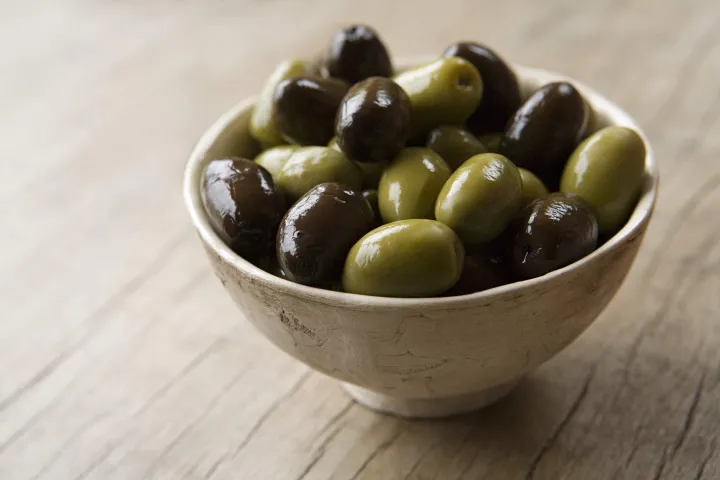
La Comunidad de Labradores y Ganaderos de Almendralejo (CLYGAL) chiede al Governo spagnolo di avviare controlli immediati sui centri di acquisto e sulle industrie di trasformazione delle olive da mensa, verificando il rispetto della Ley de la Cadena Alimentaria e delle norme sulla tracciabilità
22 ottobre 2026 | 09:00
Mondo
Olio d’oliva spagnolo, a settembre commercializzate 1,49 milioni di tonnellate. Scorte a 357 mila tonnellate
La campagna si chiude con vendite superiori alla produzione e una riduzione delle giacenze di 119 mila tonnellate in settembre. UPA Andalucía denuncia perdite per 2 miliardi di euro a carico degli olivicoltori, contestando la scarsa trasmissione dei ribassi dei prezzi all’origine ai consumatori
21 ottobre 2026 | 15:00
Mondo
Ritiro obbligatorio dell’olio, allarme dei frantoi spagnoli
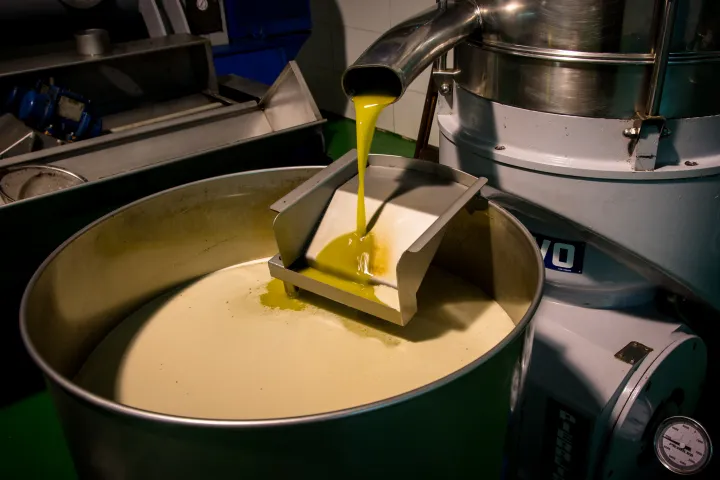
INFAOLIVA e Almazaras Federadas de España contestano i possibili effetti della futura ordinanza sulla regolazione dell’offerta di olio d’oliva. Le due organizzazioni chiedono un’analisi preventiva degli impatti economici, commerciali e qualitativi
21 ottobre 2026 | 09:00
Mondo
Cina e Ue verso la riduzione dei dazi sull’olio d’oliva
Dopo quattro mesi di negoziati, Bruxelles e Pechino valuteranno la possibilità di ridurre o azzerare i dazi sull’olio d’oliva e su altri prodotti europei. Una prospettiva che potrebbe favorire le esportazioni italiane e spagnole, rilanciando la competitività in un mercato asiatico sensibile alla qualità e ai prezzi
20 ottobre 2026 | 11:00
Mondo
Allarme rogna dell’olivo in Tunsia: produzione di olio in calo del 40%
Il ministero dell’Agricoltura tunisino ha avviato un piano straordinario per contenere la diffusione della rogna dell’olivo, individuata nel governatorato di Mahdia. Intanto, le previsioni per la prossima campagna olearia indicano una produzione di circa 300 mila tonnellate
20 ottobre 2026 | 09:00
Mondo
La produzione di olive e olio di oliva in Catalogna si riduce di un terzo
La Federazione delle cooperative agrarie catalane stima una produzione di 25.500 tonnellate, contro le 39.000 della campagna precedente. La siccità primaverile ed estiva penalizza soprattutto le Terres de l’Ebre, dove il raccolto potrebbe diminuire del 60%
19 ottobre 2026 | 13:00