Ambiente
INCENTIVES TO CURB DEFORESTATION NEEDED TO COUNTER CLIMATE CHANGE
Two billion tonnes of carbon enter atmosphere each year due to forest loss
13 dicembre 2005 | T N
Noting that deforestation accounts for 25 percent of all man-made emissions of the greenhouse gas carbon dioxide (CO2), FAO offered today to provide data and technical advice to countries attending the UN climate change conference in Montreal to help them explore ways to create financial incentives for reducing forest loss in the developing world.
"FAO's newest data on the role of forests in mitigating climate change, contained in our recently released Global Forestry Resources Assessment (FRA 2005), provide a clear picture of the contribution that forests make to countering global warming -- and of how deforestation exacerbates the problem," said Dieter Schoene, of FAO's Forestry Department.
"There are a number of strategies that countries can use to accurately monitor reductions in deforestation and increases in carbon storage, especially in tropical countries where forests do the most to remove carbon dioxide from the atmosphere,†he said. Such reporting would be key to any scheme to create financial incentives for carbon storage by developing countries.
Two billion tonnes of carbon released each year due to deforestation
According to FRA 2005, the world’s forests store 283 gigatonnes (Gt) of carbon in their biomass alone, while the total carbon stored in forest biomass, deadwood, litter and soil together is roughly fifty percent more than the amount found in the atmosphere -- adding up to one trillion tonnes.
But the assessment also shows that the destruction of forests adds almost two billion tonnes of carbon to the atmosphere each year.
"Preventing this stored carbon from escaping is important for maintaining the global carbon balance and vital to conserving the environment," according to Schoene.
For the world as a whole, carbon stocks in forest biomass decreased at least by 1.1 Gt annually during the 2000-2005 period as a result of continued deforestation and forest degradation, the assessment found. Carbon in forest biomass decreased in Africa, Asia and South America in the period 1990-2005, but increased in all other regions.
These losses were partly offset by forest expansion (including planting) and an increase in growing stock per hectare in some regions
Forests could be better used to combat climate change
In addition to preventing forests from being turned into other land-uses, new forest-based carbon stores should be created through afforestation (new plantings) and reforestation (replanting of deforested areas), FAO says.
Carbon stocks in forest biomass reach the highest values per hectare in Western and Central Africa and Central and South America, according to FRA 2005.
Particularly in the tropics, where vegetation grows rapidly and therefore pulls carbon from the atmosphere more quickly, planting trees can remove large amounts of CO2 from the air within a relatively short time. There, forests can fix as much as 15 tonnes of carbon in their biomass and wood per hectare per year.
FAO and other experts have estimated that global carbon retention resulting from reduced deforestation, increased forest regrowth and more agroforestry and plantations could make up for about 15 percent of carbon emissions from fossil fuels over the next 50 years.
Origin: FAO
Potrebbero interessarti
Ambiente
Stop al caldo fuori stagione: da metà settimana brusco calo delle temperature
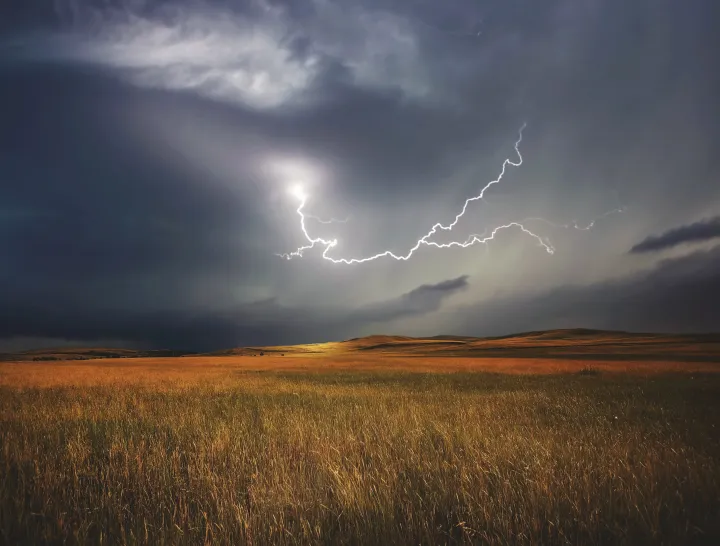
L’ultima decade di settembre segna una netta svolta meteorologica. Dopo giornate ancora estive, con temperature localmente superiori ai 30 °C, aria più fresca dal Nord Europa raggiungerà progressivamente l’Italia, accompagnata da temporali anche intensi
22 settembre 2026 | 08:30
Ambiente
Le foreste sono una risorsa decisiva per la sicurezza alimentare globale
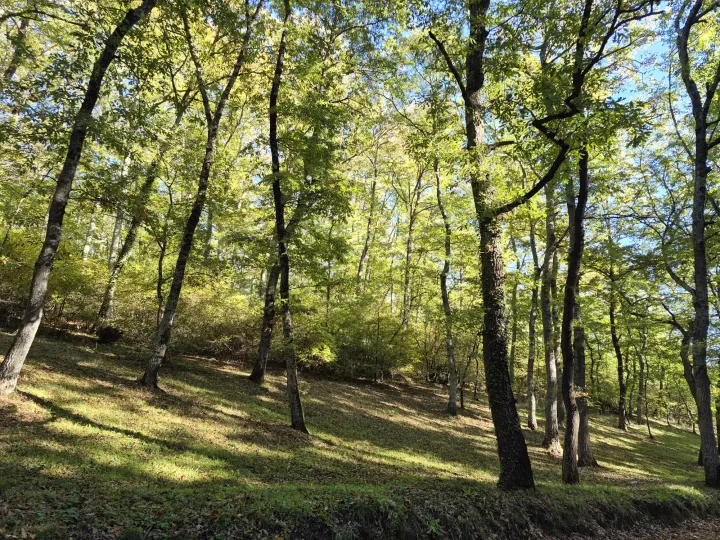
Un nuovo rapporto FAO evidenzia il ruolo di alberi e foreste nell’alimentazione, nella salute e nel reddito di oltre 5 miliardi di persone. Frutta, semi, funghi, tuberi e selvaggina contribuiscono alla qualità della dieta, ma il loro apporto resta ancora marginale nelle politiche agricole e nei sistemi statistici nazionali
21 settembre 2026 | 10:00
Ambiente
A fine settembre il primo assaggio d’autunno
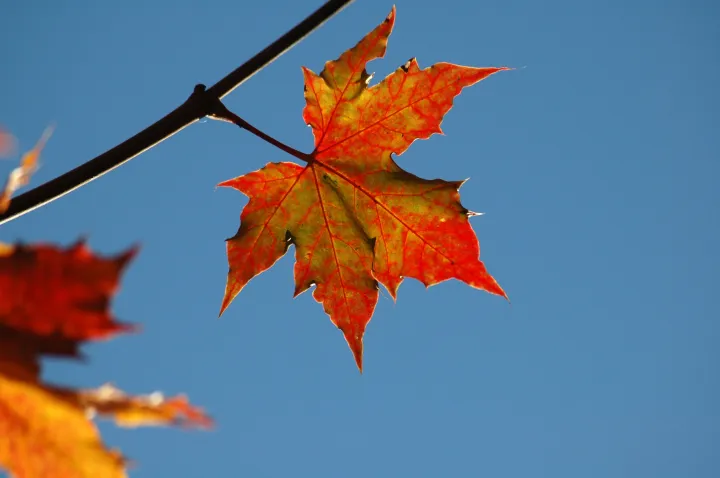
L’anticiclone arretra sotto la spinta di un nuovo fronte atlantico. Tra il 22 e il 24 settembre aria più fresca raggiungerà anche l’Italia, ma senza trasformarsi in una vera irruzione artica
18 settembre 2026 | 10:45
Ambiente
Impollinatori in declino, le piante rischiano di perdere la capacità di adattarsi al clima
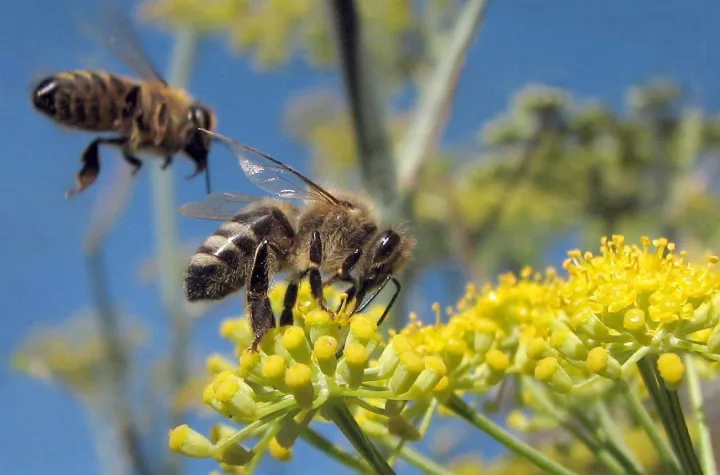
Possibile conflitto evolutivo tra la necessità di attirare gli impollinatori e quella di adattarsi al cambiamento climatico. In appena nove anni, il tasso di adattamento della popolazione studiata è crollato del 96%
10 settembre 2026 | 10:00
Ambiente
Il mare Mediterraneo è caldissimo, che autunno è legittimo prevedere

Le analisi del Consorzio LaMMA-CNR, con dati aggiornati a fine agosto 2026, indicano un’anomalia termica marina che interessa anche gli strati sotto la superficie: condizione, quest’ultima, che con le temperature atmosferiche eccezionalmente elevate può aumentare il potenziale degli episodi meteorologici intensi
07 settembre 2026 | 12:00
Ambiente
Addio al caldo africano: dal 9 settembre arriva la svolta, giù le temperature fino a 10 gradi
L’anticiclone subtropicale si prepara a lasciare il Mediterraneo dopo settimane di caldo opprimente. Da mercoledì 9 settembre una perturbazione atlantica dovrebbe aprire la strada a una rinfrescata generalizzata, con massime sotto i 30 °C dall’11 settembre e valori localmente inferiori alle medie stagionali a metà mese
07 settembre 2026 | 10:00