L'arca olearia
Interview with VN Dalmia, President of the Indian Olive Oil Association
26 aprile 2008 | T N
- President Dalmia, India decided to invest so much in olive oil market. Somebody is talking about a new Olive orchard model in the area called Rajasthan. Particularly they are intentioned to invest using very modern and high technologically irrigated systems. Why are you spending so much attention to olive cultivation?
In reality, I do not think that India is paying great attention to olive cultivation. The interest and attention is only just starting now. The entrepreneurs who are investing in olive cultivation now are courageous entrepreneurs because they are doing something new in India. There is no precedent, yet they are bravely taking a risk. It will be 2013 or later that their investments will begin to provide returns. The Rajasthan project is a pioneering project and the first of its kind in India.
In Rajasthan, the project is being undertaken in collaboration with an Israeli producer of olive oil. The Chief Minister of Rajasthan state, on a visit to a kibbutz in Israel, was impressed by their olive cultivation using drip irrigation for dry land farming in difficult circumstances, conditions similar to the dry desert state of Rajasthan. She was impressed enough to invite Israeli collaboration for similar projects in Rajasthan. At present, the project is only a pilot project on 250 hectares of land where the State Government of Rajasthan has provided the land, the Israeli firm has provided the technical expertise and an Indian firm has provided the seed capital. So it is a 3-way collaboration. Since this is the first project, it cannot be said that we are paying great attention to olive cultivation. At present, it is merely a trickle.
Recently, however, there has been an announcement of an Indo-Spanish joint venture in the northern hilly state of Himachal Pradesh. There has also been some news about investment in the western state of Maharashtra, home to Nashik – India’s wine region.
Considering the size of our country and population, even 3 projects are a small number. But, if the speed at which new projects are being announced continues then what I earlier referred to as a trickle will rapidly become a flood.
- Seems that the main Indian objective is to put at least 120.000 new olive trees of different varieties. According to you it is a bet which should give good results or not?
Well, the 125,000 olive trees are of mainly 3 varieties, as I am informed by the Israeli entrepreneur. I have no doubt that the results will be good, perhaps after some starting problems which may be expected in any new project. The promoters say they are producing good quality Extra Virgin Oil in Israel and there is no reason why they should not be able to do the same thing here.
Additionally, India is now producing increasingly good quality wine in the Nashik region and in the Nandi Hills near Bangalore. Both areas have climates which can be considered similar to the Mediterranean climate. If India can produce good quality grapes for wine, there is no reason why we cannot produce good quality olives.

- Since when you had a main interest to olive oil ? How Indian consumers perceive this unusual oil so far from Indian culinary tradition?
Historically, olive oil was known in India as an excellent massage oil. It was not known as an edible oil. Even now, the largest consumption of olive oil is for massage purposes although the consumption for edible and cooking uses is growing much faster.
Our interest in olive oil is relatively recent. The West switched to olive oil in the 90s. As Indians traveled abroad increasingly, it was not long before they started to become aware of the benefits of olive oil. Also, due to the promotional efforts of the leading olive oil companies in India and the International Olive Council (IOC), there has been great attention by the media, chefs, nutritionists, etc. on the benefits of olive oil. As a result, the Indian consumer is getting increasingly educated about olive oil in general and specifically the different grades of olive oil and how to use each one in the best way. Previously, no one took the time to educate us. Everyone blindly said use Extra Virgin because it is the best. Best flavour, sure, but not always the best for cooking Indian cuisine which is what we mainly use oil for here in India.
As you know, Extra Virgin is the most expensive, the highest grade olive oil with perfect aroma and flavour. EV is most suitable for raw use in dressings, flavourings, condiments and dips – not suitable for frying. EV imparts the olive taste and flavour to food cooked in it. Many Indians do not like a change in the taste of their food
The next grade, Olive Oil (or Pure Olive Oil or 100% Pure Olive Oil) is the intermediate grade oil with a mild aroma and flavour and only marginally cheaper than Extra Virgin Oil. Although Olive Oil can be used for cooking purposes, it has a slight aroma and is thus more suitable for light frying or Mediterranean cooking. In India, this grade of oil is most popular as a massage oil.
Finally, there is Olive Pomace Oil. It is a low priced, light oil with neutral taste and flavour. Indian food cooked in Olive Pomace Oil experiences no change at all in the flavour and taste of the food. Olive Pomace Oil reacts well to all types of Indian cooking: frying, roasting, grilling or whatever. Olive Pomace Oil is a good substitute for the oils mainly used presently by the Indian consumer, i.e. sunflower, safflower, corn, soya, palm, etc. – all refined oils. Therefore, Olive Pomace Oil, for use as a main cooking grade oil, is often considered most suitable by the Indian consumer. Let us not forget also that Olive Pomace Oil is almost half the price of Extra Virgin. Presently, we have made great efforts to publicize that olive oil is used in 1/3rd the quantity of other oils and hence, is not as expensive as it seems, olive oil has the highest content of monounsaturated fatty acids, olive oil is rich in antioxidants and has numerous other health benefits.
Of course, we expect the tastes of the Indian consumer to evolve in a similar way to other markets. We expect, over time, for Indian consumers to move towards Extra Virgin as they develop a taste for olive oil.
-Why India intends to invest even if in autonomous way on olive oil production? Is it only for business purposes either for other background reasons?
India has an entrepreneurial tradition and brave entrepreneurs. Hence, it was inevitable that we would invest in an item of which the consumption is growing. India imported about 1,500 tonnes of olive oil in the year 2006 and 2,300 tonnes in the year 2007, a growth rate of 53%. Most of the growth is coming from oil meant for edible use. Please see our consumption and growth estimates in the chart below:
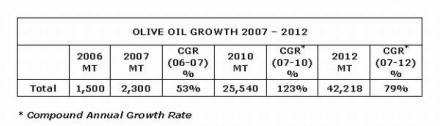
In the year 2010, we expect demand to be 25,000 tonnes. In the year 2012, we expect demand to grow to 42,000 tonnes. This is a respectable market size indeed and definitely merits the consideration of any serious businessman for investment.
However, we do not expect imports to decline even once domestic production of olive oil begins. As has been the experience in other countries, both products – domestic and imported – exist side by side on the retail shelf. There is a consumer for both. Keep in mind that it will take some time for us to gain the expertise to match the quality of more experienced producers and for us to match the economies of scale and lower costs in the major olive producing countries. Keep in mind too that we shall begin production only 5 or 6 six years from now. Nevertheless, I think that domestic production is necessary and that we are starting at the right time.
End of the first part.
To be continued…
Potrebbero interessarti
L'arca olearia
Ecco come si distinguono le varietà di olivo: la morfo-anatomia fogliare come strumento per scegliere le cultivar
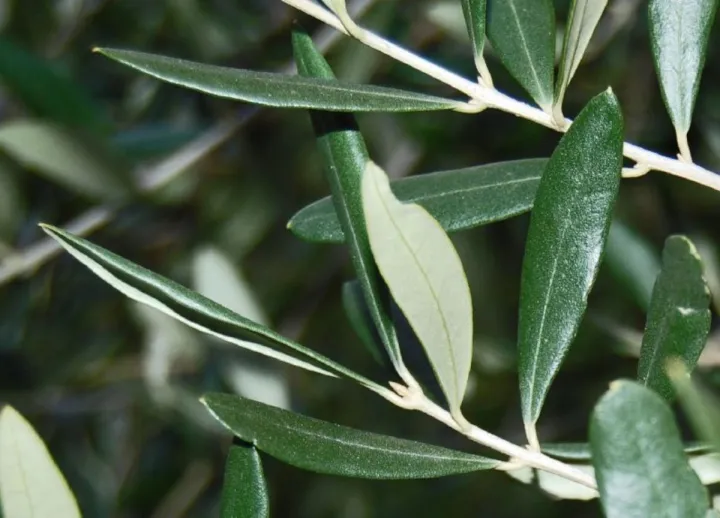
Differenze significative tra le varietà di olivo per area fogliare (339-872 mm²), spessore della lamina (331-489 µm), densità dei tricomi (71-206 per mm²) e rapporti tra tessuti fotosintetici e di conduzione. Emergono due strategie funzionali distinte, una "acquisitiva" e una "conservativa"
24 ottobre 2026 | 11:00
L'arca olearia
Olio d'oliva, l'Italia a due velocità: il 100% italiano vola ma le private label dettano legge e i prezzi affondano
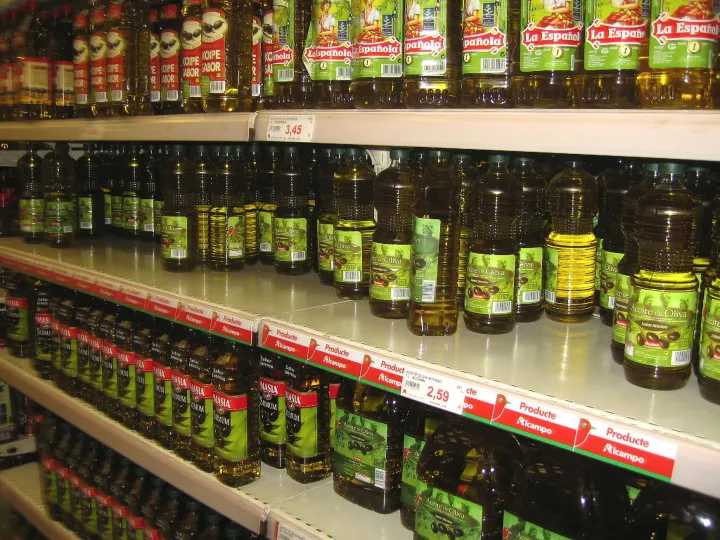
Il mercato dell'olio extravergine di oliva complessivo arretra (-0,8% a volume, -7,4% a valore), mentre il segmento tricolore cresce a doppia cifra. Il prezzo medio/litro crolla del 30%: la promozione vale ormai l'80-90% dei volumi
23 ottobre 2026 | 16:00
L'arca olearia
Ecco come l'oliveto ricorda la siccità e perché la fioritura del prossimo anno si decide oggi
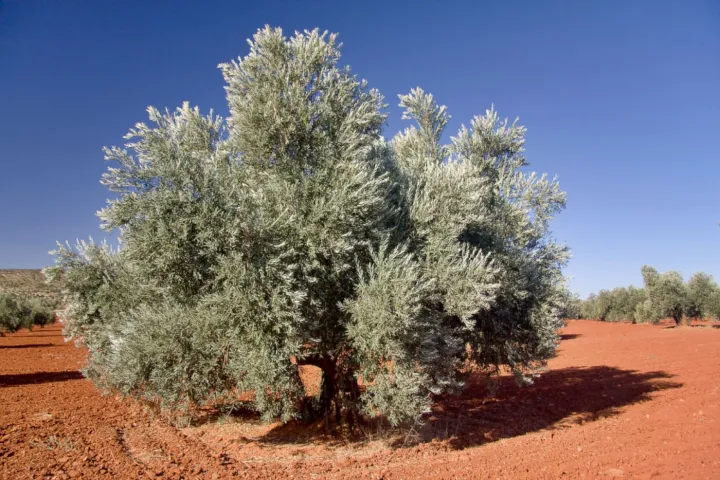
Ricostruito il percorso di recupero dell'oliveto dopo siccità prolungata. Evidente che la resilienza dell'olivo nasconde una trappola gestionale: l'acqua torna nei tessuti in pochi giorni, ma chiome, gemme e produzione richiedono mesi o intere stagioni
23 ottobre 2026 | 15:00
L'arca olearia
Olivo in asciutto e colture intercalari, ecco cosa conviene fare in campo
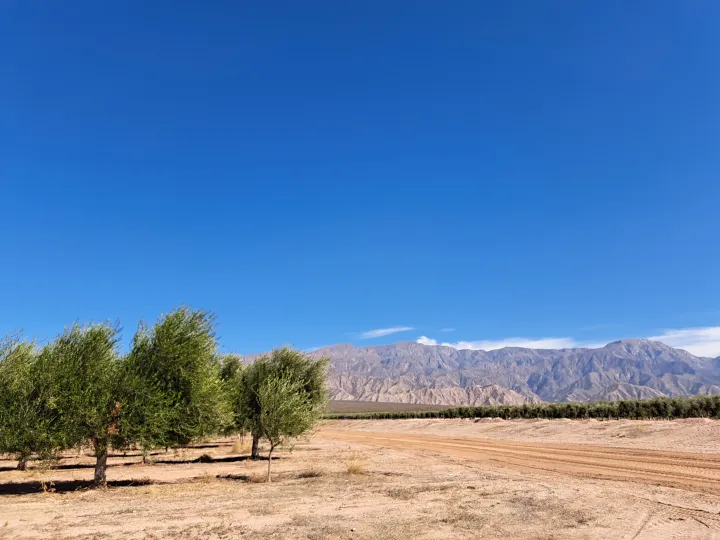
E' davvero economicamente conveniente la coltura intercalare? Le leguminose funzionano meglio dei cereali, e l'olivo paga un prezzo contenuto con circa il 10% di produzione in meno, che con le leguminose si annulla
23 ottobre 2026 | 14:00
L'arca olearia
Gramolazione della pasta d'olive sotto vuoto: cosa dice la ricerca industriale e come applicarla in frantoio
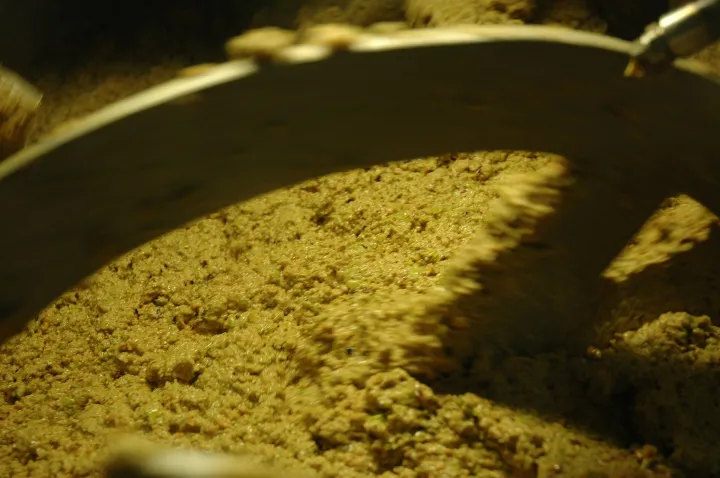
Uno studio industriale condotto su Carolea, Dolce di Rossano e Frantoio con sistema Olive Oil Booster a 50 mbar dimostra che la gramolazione assistita da vuoto aumenta l'estraibilità fino a 5 punti percentuali, riduce l'olio residuo in sansa di oltre un terzo e consente di accorciare il tempo di gramolazione da 45 a 30 minuti
23 ottobre 2026 | 13:00
L'arca olearia
Olio extravergine di oliva, la ricetta per resistere alle alte temperature? Raccolta precoce e polifenoli
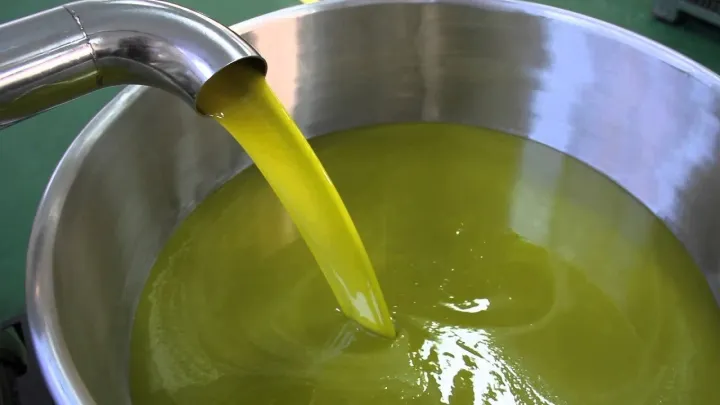
Un indice di maturazione ottimale (1,88) e una lavorazione senza acqua aggiunta possono spingere i polifenoli fino a 2840 mg/kg, garantendo all'olio extravergine una stabilità ossidativa record anche dopo 30 giorni a 60°C
22 ottobre 2026 | 16:00