Bio e Natura
NO BIRD FLU RISK FOR CONSUMERS FROM PROPERLY COOKED POULTRY AND EGGS
FAO/WHO say good hygiene for safe preparation of poultry essential
06 dicembre 2005 | T N
Chicken and other poultry are safe to eat if cooked properly, according to a joint statement by FAO and the World Health Organization (WHO) issued to national food safety authorities. However, no birds from flocks with disease should enter the food chain.
FAO/WHO made the statement to clarify food safety issues in relation to the current bird flu crisis. The statement has been issued through the International Food Safety Authorities Network (INFOSAN) and is available in six languages.
In areas where there is no bird flu outbreak in poultry, there is no risk that consumers will be exposed to the virus via the handling or consumption of poultry and poultry products.
Cooking of poultry (e.g. chicken, ducks, geese, turkeys and guinea-fowl) at or above 70° Celsius throughout the product, so that absolutely no meat remains raw and red, is a safe measure to kill the H5N1 virus in areas with outbreaks in poultry, FAO/WHO said. This ensures that there is no active virus remaining if the live bird had been infected and had mistakenly entered the food chain. To date, there is no epidemiological evidence that people have become infected after eating contaminated poultry meat that has been properly cooked.
Poultry
From the information currently available, a large number of confirmed human cases acquired their infection during the home slaughtering and subsequent handling of diseased or dead birds prior to cooking. FAO and WHO emphasize that in the process of killing and preparing a live bird for food, slaughtering poses the greatest risk of passing the virus from infected or diseased birds to humans.
Most strains of avian influenza virus are mainly found in the respiratory and gastrointestinal tracts of infected birds, and not in meat. However, highly pathogenic viruses, such as the H5N1 strain, spread to virtually all parts of an infected bird, including meat. Proper cooking at temperature at or above 70°C in all parts of the product will inactivate the virus.
When a diseased bird is slaughtered, defeathered and eviscerated, virus from that bird can transfer to humans through direct contact. Infected poultry excrete virus in their secretions and faeces. Exposure might also occur when the virus is inhaled through dust and possibly through contact with surfaces contaminated with the virus.
In areas where marketing of live birds is common, the practices of home slaughtering, defeathering, and eviscerating increase the exposure to potentially contaminated parts of a chicken. These practices therefore result in a significant risk of infection in areas with outbreaks in poultry.
It is not always possible to differentiate infected and non-infected birds in outbreak areas. Some avian species, such as domestic ducks, may harbour the virus without displaying symptoms. Therefore, people need to be fully informed about preventive measures, including the use of protective equipment. The practice of slaughtering and eating of infected birds, whether diseased or already dead, must be stopped, FAO and WHO warn. These birds should also not be used for animal feed.
Even in areas or countries where outbreaks are currently occurring, the likelihood of infected poultry entering an industrialized slaughtering and processing chain, and eventually being marketed and handled by a consumer or a restaurant worker, is considered to be very low, FAO/WHO said. Good hygienic practices during preparation and cooking poultry at temperatures of 70°C or above will further contribute to the safety of cooked poultry meat.
Proper vaccination of domestic poultry is considered to be a useful tool as part of an overall integrated strategy for the control of HPAI. It must be implemented in accordance with existing standards and procedures for vaccination. With appropriate monitoring programs in place, vaccinated poultry can enter the food chain without particular risk for the consumer.
Eggs
Highly pathogenic avian influenza virus can be found inside and on the surface of eggs laid by infected birds. Although sick birds will normally stop producing eggs, eggs laid in the early phase of the disease could contain viruses in the egg-white and yolk as well as on the surface of the shell.
Proper cooking inactivates the virus present inside the eggs. Pasteurization used by industry for liquid egg products is also effective in inactivating the virus.
Eggs from areas with outbreaks in poultry should not be consumed raw or partially cooked (i.e., with runny yolk), FAO/WHO advise. To date, there is no epidemiological evidence to suggest that people have been infected with avian influenza by consumption of eggs or egg products.
Origin: FAO
Potrebbero interessarti
Bio e Natura
La pecora di razza Sarda: quale futuro in Sardegna?
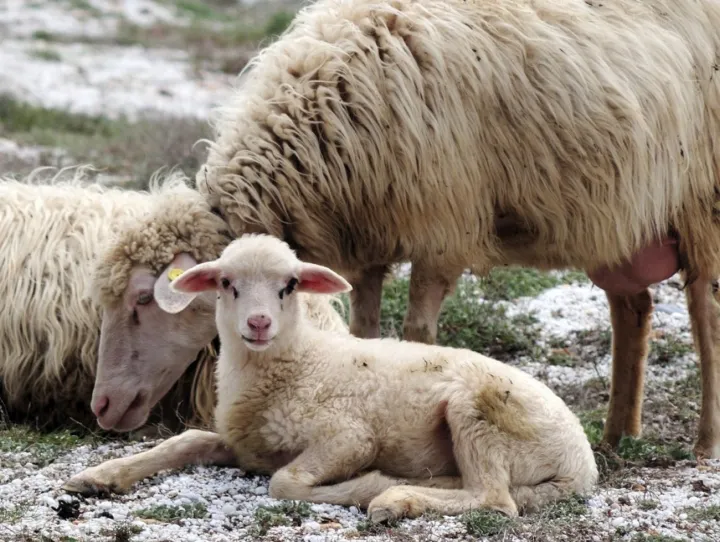
Senza la giusta differenziazione del prezzo del latte di qualità si continueranno a favorire gli aspetti quantitativi rispetto a quelli qualitativi, che rendono la pecora di razza Sarda soccombente rispetto alle pecore di razza Assaf e Laucane recentemente introdotte in Sardegna
27 ottobre 2026 | 16:00 | Roberto Accossu
Bio e Natura
Mirtilli, piccoli frutti dalle grandi proprietà: dalla cucina alla ricerca sul buonumore
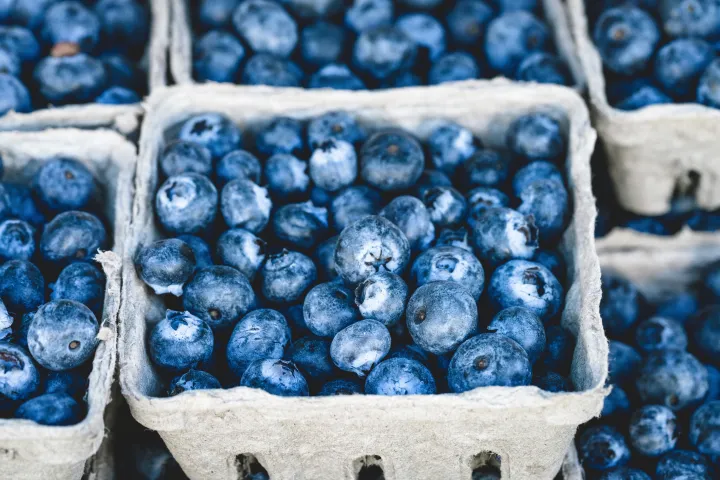
Dal bosco alla pasticceria, passando per risotti, carni e formaggi, il mirtillo è un ingrediente versatile della gastronomia. Ricco di antocianine, fibre e altri composti bioattivi, è al centro anche della ricerca scientifica. Un recente studio pilota ha esplorato il possibile legame tra consumo quotidiano, microbiota intestinale e sintomi depressivi negli anziani
26 ottobre 2026 | 15:00
Bio e Natura
I suoli dei boschi assorbono più metano con il caldo e la siccità

Uno studio dell’Università di Göttingen e dell’Istituto di ricerca forestale del Baden-Württemberg rileva un aumento medio annuo del 3% nell’assorbimento di metano da parte dei suoli forestali. Temperature più elevate e minori precipitazioni sembrano favorire l’attività dei microrganismi che degradano questo potente gas serra
24 ottobre 2026 | 12:00
Bio e Natura
La pianta dell’elicriso, vera risorsa naturale d’interesse agricolo, alimentare e cosmetico

Con i suoi fiori dorati e il profumo inconfondibile, l’elicriso rappresenta una risorsa naturale ricca di composti attivi di interesse cosmetico, alimentare e agricolo. Tuttavia, molte delle sue potenzialità restano ancora inesplorate
23 ottobre 2026 | 09:00 | Marcello Ortenzi
Bio e Natura
Grano tenero, emissioni ridotte del 10% con fertilizzanti a minore impronta carbonica
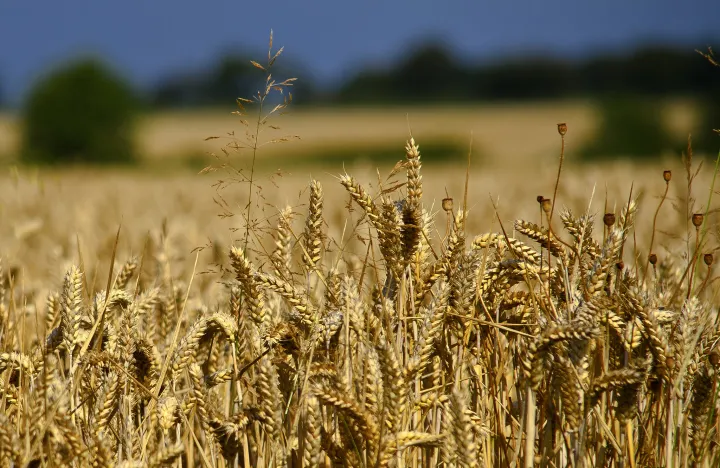
Sperimentati fertilizzanti a ridotta impronta carbonica verificata e strumenti digitali per monitorare le colture. Al convegno di Bondeno, Molini Pivetti ha messo a confronto sostenibilità agronomica, futura PAC e innovazione tecnologica, con l’obiettivo di coniugare riduzione delle emissioni e redditività delle aziende agricole
19 ottobre 2026 | 15:00
Bio e Natura
Legumi da sovescio e inoculo rizobico: una strategia sostenibile per il grano duro biologico mediterraneo
Uno studio biennale condotto in Sicilia dimostra che l'intercropping simultaneo di leguminose foraggere da sovescio, combinate con l'inoculazione rhizobica e una riduzione della fertilizzazione azotata, può mantenere le rese del grano duro biologico e ridurre significativamente la pressione delle infestanti
15 ottobre 2026 | 15:00